

The GENIUS Act Explained: How It Impacts Banks, Crypto, and the Future of the U.S. Dollar
The GENIUS Act (Guiding and Establishing National Innovation for U.S. Stablecoins Act) is one of the most important crypto laws ever passed in the United States. Signed into law in July 2025, it creates the first nationwide regulatory framework for dollar-backed stablecoins — digital tokens designed to maintain a 1:1 value with the U.S. dollar. This legislation is already reshaping how banks think about deposits, how crypto companies build products, and how the U.S. dollar may compete globally in the digital economy. :contentReference[oaicite:0]{index=0}

What Is the GENIUS Act?
At its core, the GENIUS Act establishes federal rules for issuing and managing payment stablecoins. These are cryptocurrencies backed by real assets like U.S. dollars or short-term Treasury securities. The law requires stablecoin issuers to maintain full reserves, publish transparency reports, and operate under federal supervision. :contentReference[oaicite:1]{index=1}
For years, stablecoins existed in a gray regulatory area. Companies like Circle and Tether issued billions of dollars worth of digital tokens with limited nationwide oversight. The GENIUS Act changes that by clearly defining:
- Who can issue stablecoins
- What assets must back them
- How transparency requirements work
- How regulators monitor compliance
This makes stablecoins the first major category of cryptocurrency to receive comprehensive U.S. federal regulation.
Why Stablecoins Matter More Than Bitcoin for Banking

Bitcoin gets headlines. Stablecoins move money.
Stablecoins are already used globally for:
- Cross-border payments
- Crypto trading settlement
- Remittances
- Decentralized finance (DeFi)
- Dollar access in emerging markets
With over hundreds of billions in circulation, they function as a parallel digital version of the U.S. dollar. The GENIUS Act effectively acknowledges this reality and brings stablecoins inside the U.S. financial regulatory perimeter.
How the GENIUS Act Impacts Traditional Banks
Banks may be the biggest long-term winners — and losers — from the GENIUS Act.
The law allows banks, credit unions, and approved financial institutions to issue stablecoins directly, opening a new frontier for digital payments infrastructure. :contentReference[oaicite:2]{index=2}
However, there is also a major competitive risk:
- Customers may move deposits into stablecoins
- Stablecoin transfers operate 24/7
- Blockchain settlement is faster than ACH or wire
- Some platforms offer yield-like rewards on holdings
If stablecoins begin replacing checking accounts for everyday payments, banks could lose a portion of their traditional deposit base — the fuel they use for lending.
How the GENIUS Act Impacts Crypto Companies
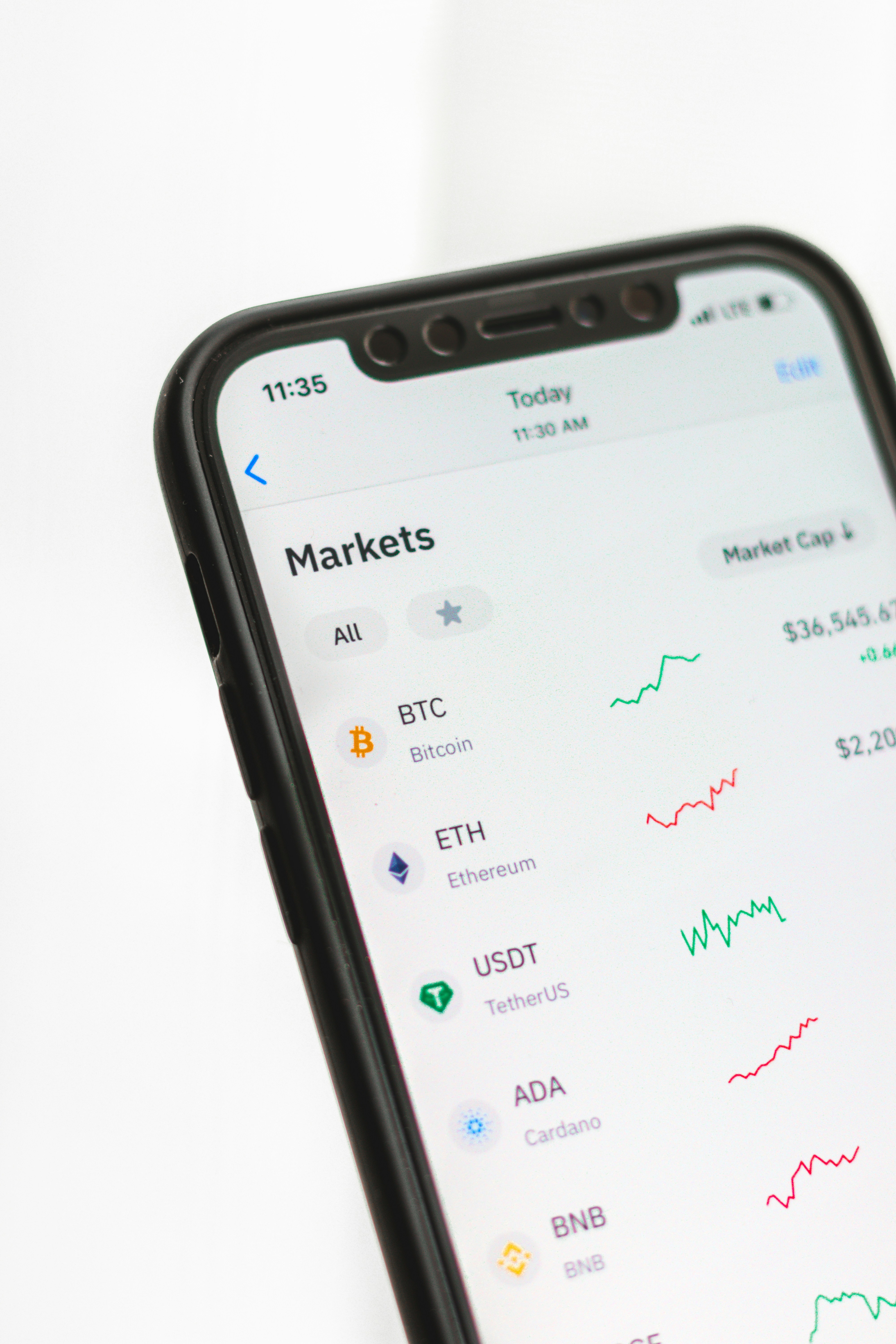
For crypto companies, the GENIUS Act represents legitimacy.
Instead of operating in uncertainty, regulated stablecoin issuers now have a clear compliance path. This makes it easier for:
- Institutional investors to enter the market
- Payment companies to integrate blockchain rails
- Merchants to accept digital dollars
- Fintech startups to build stablecoin apps
In fact, some analysts believe this clarity could accelerate mainstream adoption faster than any previous crypto legislation.
Companies like Visa, Mastercard, and Shopify are already exploring stablecoin payment integrations as part of next-generation commerce systems. :contentReference[oaicite:3]{index=3}
How the GENIUS Act Strengthens the U.S. Dollar Globally

One of the most important strategic effects of the GENIUS Act is geopolitical.
Stablecoins backed by U.S. Treasuries increase global demand for dollar-denominated assets. That means every new compliant stablecoin indirectly strengthens the dollar’s role as the world’s reserve currency. :contentReference[oaicite:4]{index=4}
In practical terms:
- Foreign users gain easier access to digital dollars
- International trade can settle faster
- Treasury bond demand increases
- Dollar dominance extends onto blockchain rails
Instead of competing against crypto, the U.S. government is now positioning the dollar inside the crypto ecosystem.
What the GENIUS Act Means for Everyday Users
For consumers, the law could quietly transform how money moves.
Stablecoins enable:
- Instant global transfers
- Lower payment processing costs
- 24/7 settlement
- Programmable digital transactions
That means sending money overseas could eventually feel as simple as sending an email.
However, stablecoins are still not insured like traditional bank deposits. They carry different risks, even when fully backed by reserves.
Potential Risks and Concerns
Like any financial innovation, stablecoin regulation introduces tradeoffs.
Critics worry about:
- Bank deposit migration
- Shadow banking risks
- Liquidity stress during redemption events
- Technology infrastructure vulnerabilities
Researchers have already noted that even well-backed stablecoins depend heavily on Treasury markets and financial plumbing functioning smoothly during periods of stress. :contentReference[oaicite:5]{index=5}
Why the GENIUS Act May Be the Beginning of a Larger Crypto Framework
The GENIUS Act does not regulate Bitcoin, Ethereum, or decentralized finance directly.
But it sets a precedent.
For the first time, Congress has created a specialized legal category for a crypto asset class. That makes future legislation covering exchanges, tokenized securities, and digital identity systems far more likely.
Think of the GENIUS Act as the first brick in a new regulatory foundation for blockchain finance in the United States.
Final Thoughts: A Turning Point for Digital Money
The GENIUS Act marks a shift in how governments view cryptocurrency — not as a threat to the financial system, but as infrastructure worth integrating.
Banks are adapting. Fintech companies are accelerating development. Stablecoins are moving closer to mainstream use.
Most importantly, the U.S. dollar itself is evolving into a programmable global settlement layer.
Whether you are an investor, developer, or everyday crypto user, the GENIUS Act signals one clear reality:
The future of money is becoming digital — and the United States intends to lead it.

